I’ve been trying to write this post for a while but I keep abandoning my drafts and starting over. I haven’t a clue how to say anything meaningful without sounding trite. But let me try again.
Jon died exactly a year ago. He died of alcoholism. I’ve put off writing about this for a long time because I don’t know how to make people understand. Or to put it more honestly, I’m afraid that people won’t understand. Alcoholism defies understanding. Even though it’s all around us, it’s hard to see it for what it is.
I could go on about how alcoholism is an incurable disease, that alcoholics and addicts aren’t losers, that their disease is not their fault. I could say that people with addiction do horrible things, but that doesn’t mean they are horrible people.
I could try to explain that in loving Jon, I suffered from my own kind of incurable disease. I could write a book on this subject, and maybe someday I will.
I could describe how it felt to watch Jon destroy himself. How he tried so hard to get better, but couldn’t. I could tell you about how I walked away from him a few weeks before he died because his drinking was hurting us both so badly. At the time I thought our separation was temporary. As bad as things were, I believed that Jon would eventually choose recovery and we would be together again. I didn’t realize it was already too late.
I could recount the horrors of that day, a year ago, when I found out that Jon’s life ended. The agony of accepting that was it — that he was gone and I didn’t get to say goodbye.
I don’t have the time or the energy to say it all now, but this is a start.
I have so many feelings about Jon’s death. I’ve spent the past year trying to untangle and sort through them. Sadness, pain, anger, grief, loneliness, frustration, guilt, resignation, relief. But there is one feeling that continually rises to the surface — I’ve felt it pretty much every day since Jon died. I’m going to try to focus on that feeling today.
My therapist often says that addiction is a gift. Most people have a hard time understanding what the hell she means by that. But for me, it makes perfect sense.
A couple of days before he died, Jon sent me a message:
I just want you to know that I believe that you are anything and everything you want to be. Best writer, editor, shooter…you name it. I believe in you. Love always, J.
Jon’s disease brought out the worst in him. It made him manipulative and selfish. He fed me (and many other people) a lot of bullshit in the weeks before he died. But this message was real. Jon believed in me and he made me believe in myself. No one can take that away from me now, and it’s the greatest gift I’ve ever received.
I’m grateful.
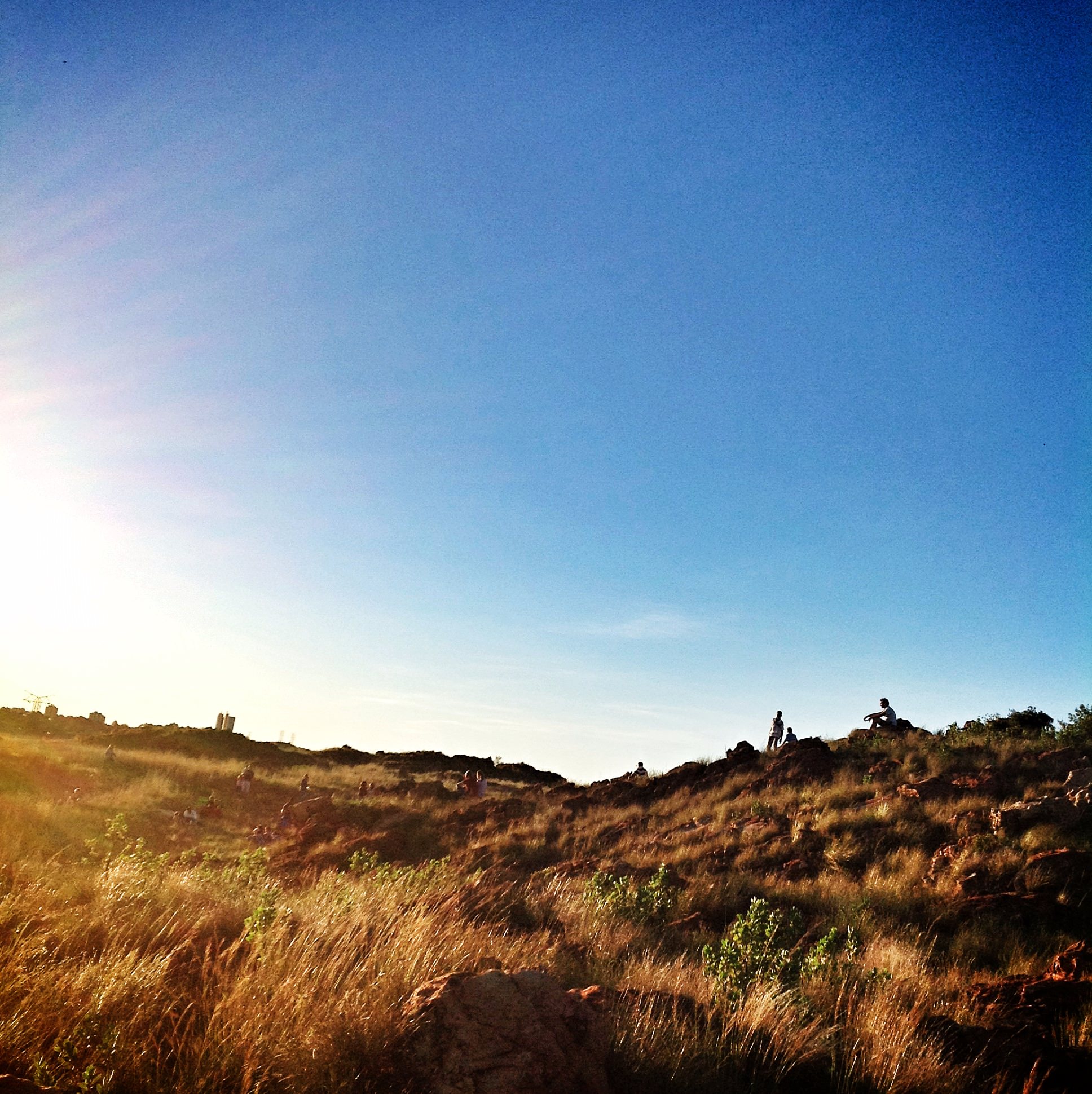
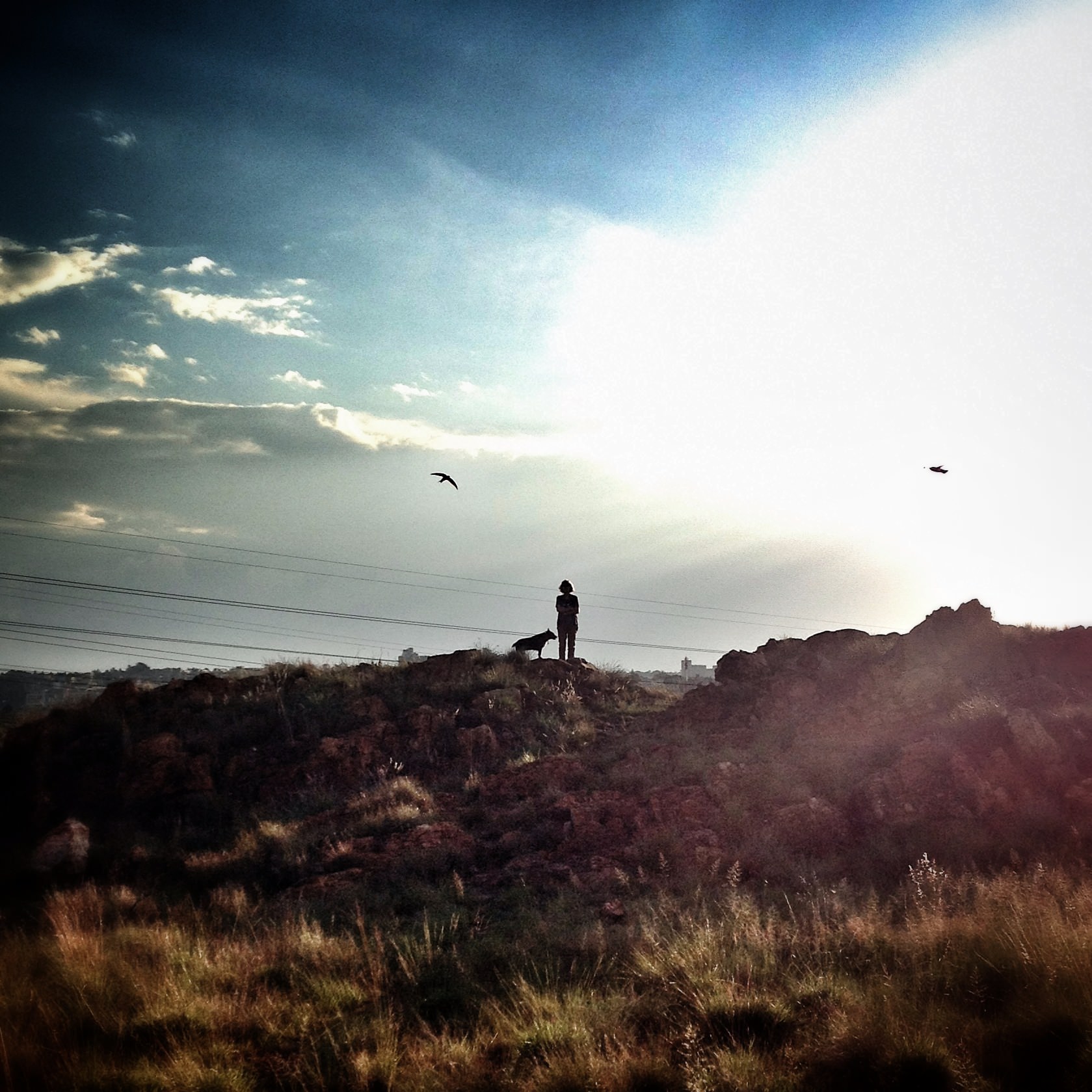
Here are a few photos I took this week in one of Jon’s favorite places, the Melville Koppies.


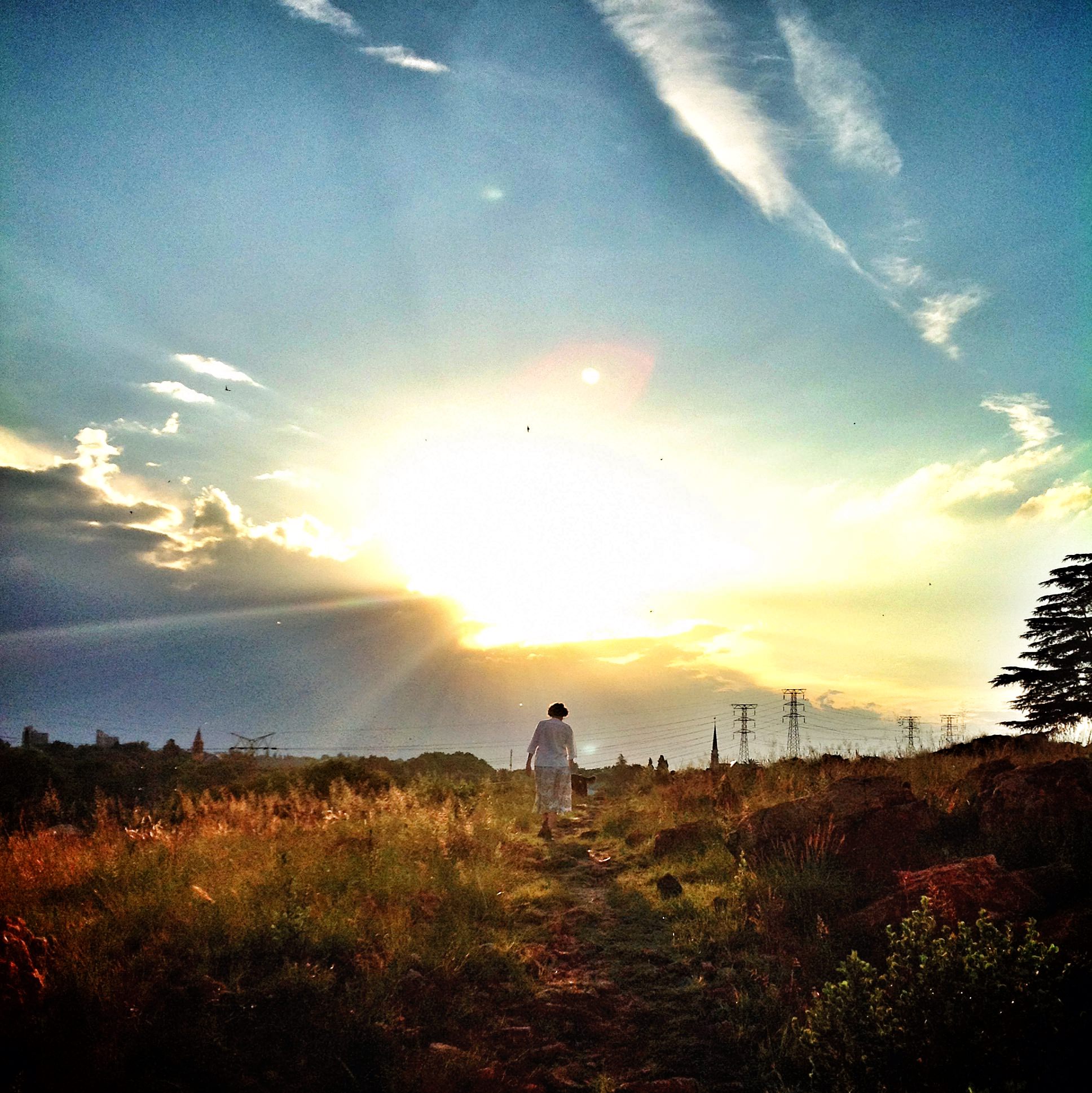
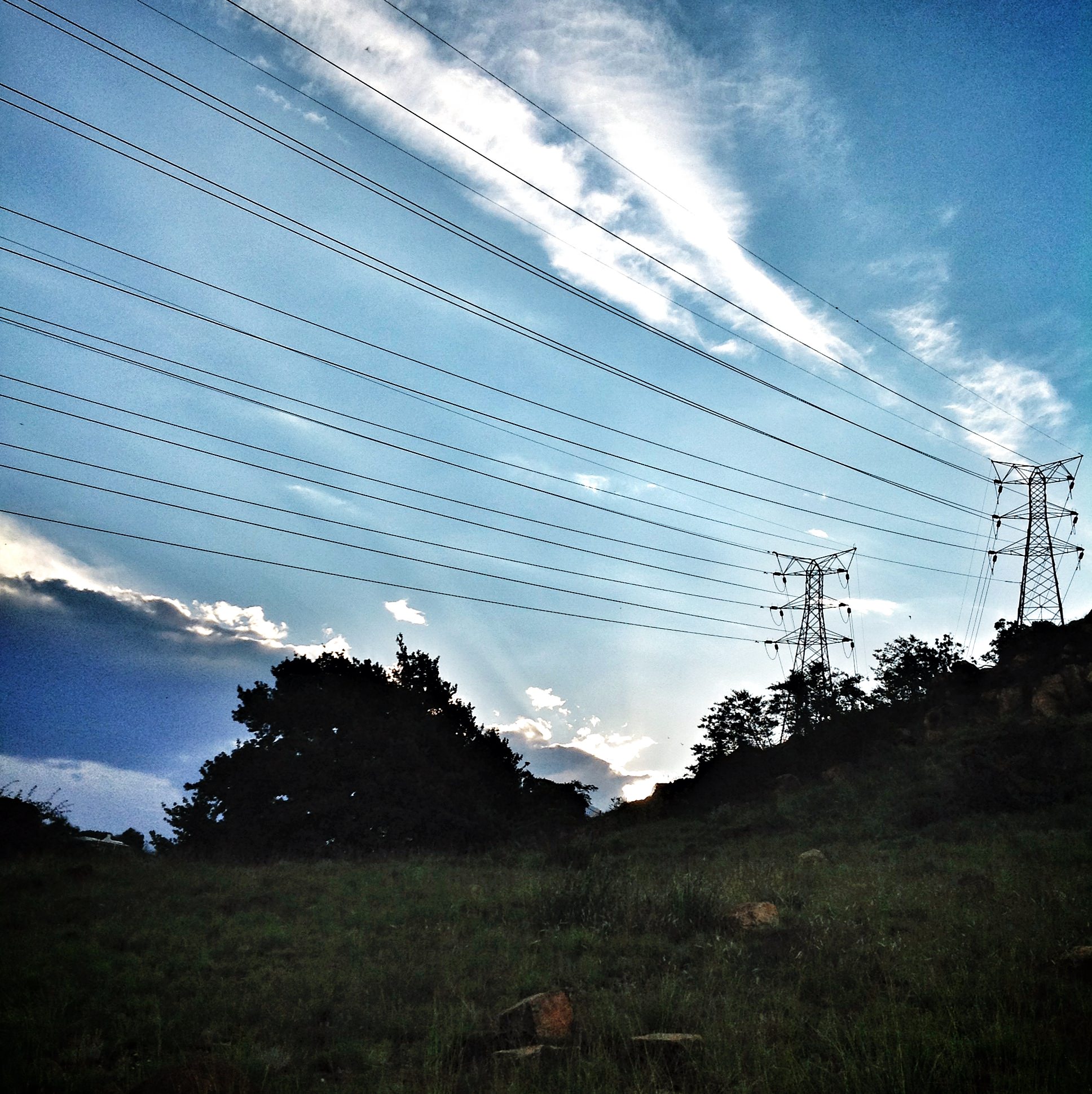
I want to do something special for Jon today. I’m going to make a donation to ToughLove South Africa, an organization that helps families affected by addiction. If you would like to donate to ToughLove too, their banking details are here. If you live outside South Africa and want to donate, please contact me and I’ll make it happen for you. Thanks.


The pictures are expressing the feelings of your heart more than anything.
Thank you. A picture is worth 1,000 words, and all that 🙂
But the pictures plus words with this depth of feeling are precious – you have my respect.
Thanks Beeseeker!
I had a friend who died of alcoholism almost two years ago. She was barely 40. From the wreckage she left behind many gifts – they’re what we remember now. I think you’re on the road to doing the same – especially after your exhibition.
Thank you. It’s a cruel irony that addicts are usually brilliant people that have so much to offer the world.
Brilliant, she was.
It is so hard to watch someone you love slip away and not being able to do a thing about it. My grandmother died over a year ago, a few months before Jon. She died of old age so she lived a long and full life, but she had dementia. She became snappy and irritable, she would lash out and say mean and hurtful things to my mother and it was so hard to just stand by and watch. It was hard to reconcile that person with the person she used to be (a really great lady who was a loving mother and grandmother), but you always had to remind yourself it was the disease talking and not her (which was hard to remember when my grandmother would curse and then try to hit my mother or someone close by). When she finally died, it was a relief because she was no longer suffering, yet so painful in so many ways. Dementia and alcoholism are two different beasts, but the family members and friends of people who suffer with either disease feel similar emotions. I remember reading the poem “When I’m Gone” by Lyman Hancock (easily googled) and it really helped put things in perspective for me when dealing with my emotions of loss and grief concerning my grandmother. I hope that through your grief process, you are eventually able to find peace in your memories of Jon.
Thanks Amelie. What you describe is actually very similar to what I experienced. I also had to tell myself over and over the it was the disease, not Jon, that was lashing out. It’s a hard concept to swallow. Anyway, I’m sorry about your grandmother and thanks for your thoughtful comment.